
Lamentations
Poems by and about the water (rivers, lakes, seas), the landscape, and us

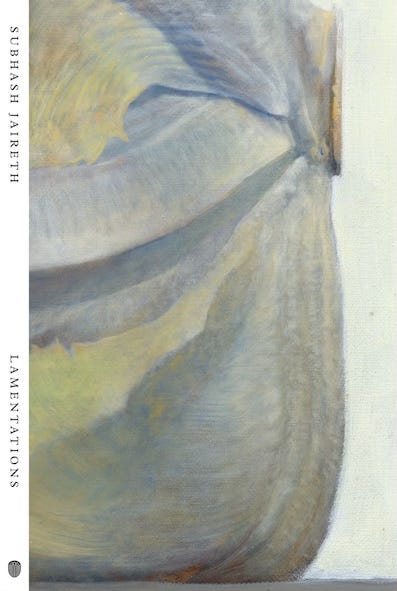
In May 2026 the book Lamentations will take its first few hesitant steps into a world ravaged by conflicts and wars. I hope perhaps naively that it will bring some solace and hope to us and to the rivers, the lakes, and the seas, and also the landscapes with whom (not ‘which’), the waters also live their troubled and not so troubled lives. Wars kill and maim many human beings, but the natural world suffers a greater destruction that can take thousands of years to heal. To this we can add the calamity of global warming from the accumulation of greenhouse gases in the atmosphere.
I began writing these poems five years ago and finished the first draft two years ago, before the publication of Robert Macfarlane’s wonderful book Is a River Alive?
The rivers are very much alive Robert, says my little book, they live and die and resurrect themselves in whatever form they can find befitting for the conditions. It is quite likely they will outlive Homo sapiens, and continue to exist as they did millions of years ago.
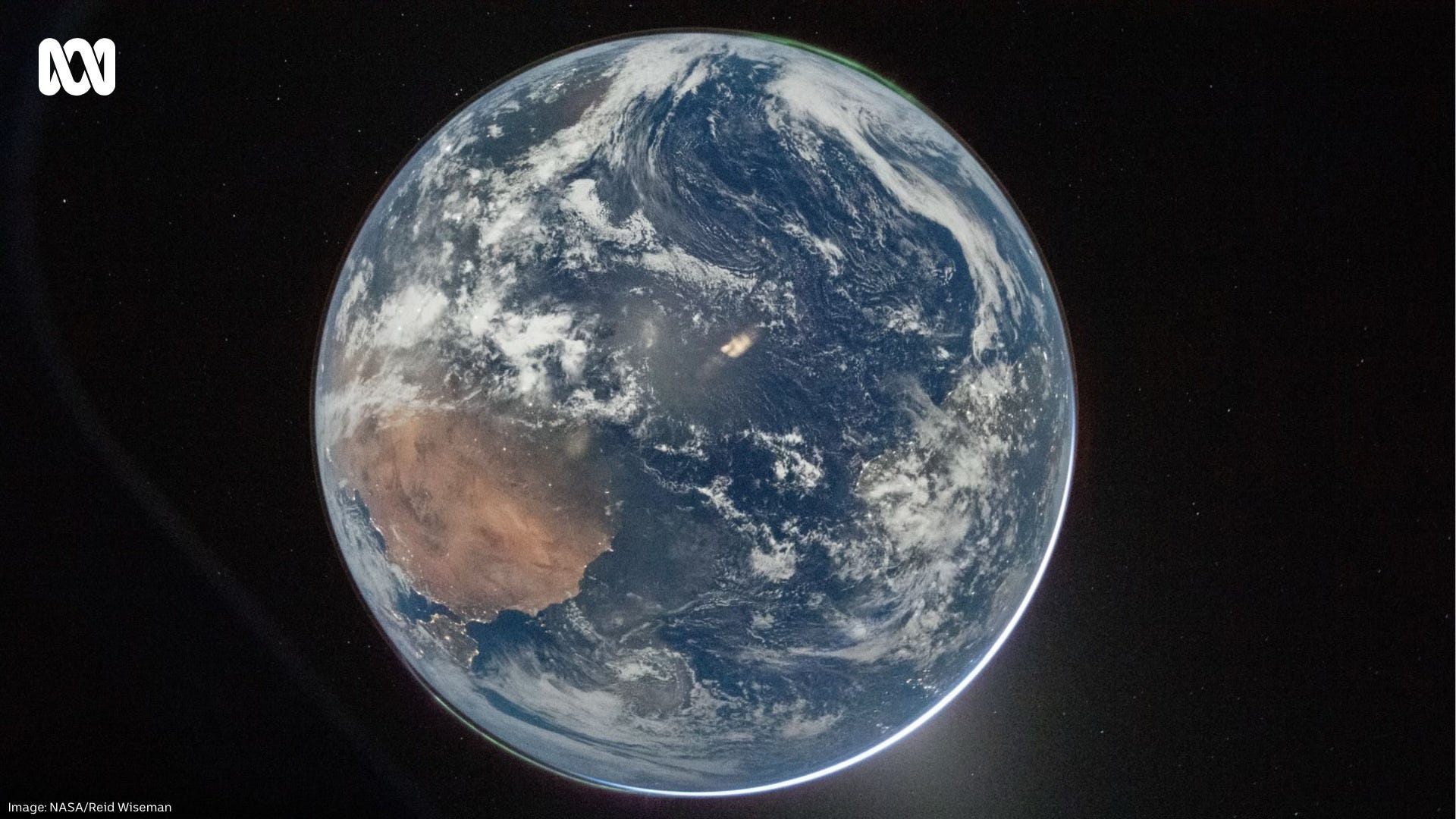
To the waters we owe our existence on the planet. The waters flow in us. It is in the water inside a body we are planted as seeds and grow. When we die, the water in us returns to the wetness that surrounds the planet like amniotic fluid (Photograph 1).
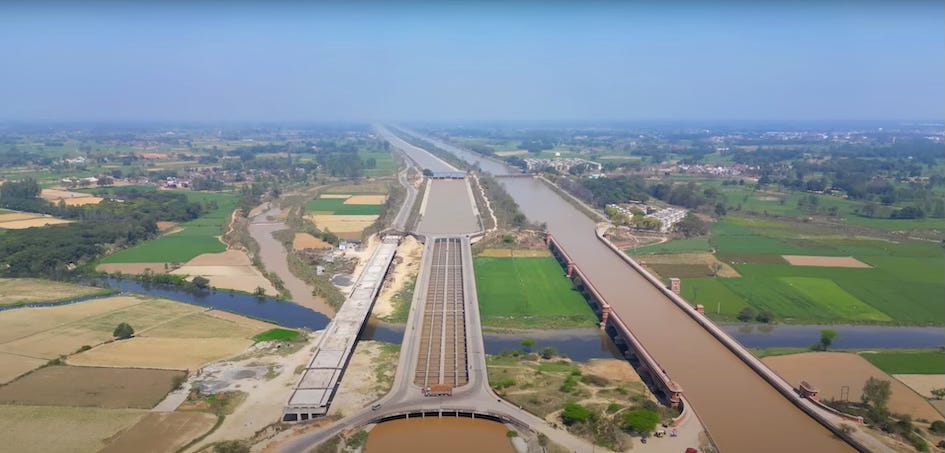
The book Lamentations begins with the river Solani (photograph 2) and ends with her. But like rivers, the ending is not an ending as such because stories like rivers never end. Their ending is an illusion, because they merge into the great ocean of tales, waiting to reemerge in new shapes and forms.

The book has poems about rivers from different locations.
One sequence recounts the stories told by Whanganui, the river in the North Island in Aotearoa New Zealand (Photograph 3).
Ngāti Hau, the people of the river, say ‘Ko au te awa, ko te awa ko au’ (‘I am the river and the river is me’). Whanganui talks to the Ngāti Hau and she listens when they talk to her.
Lamentations also tries to show how to listen and talk to the rivers and lakes and to the world around them. ‘No river, no us’, the book says.
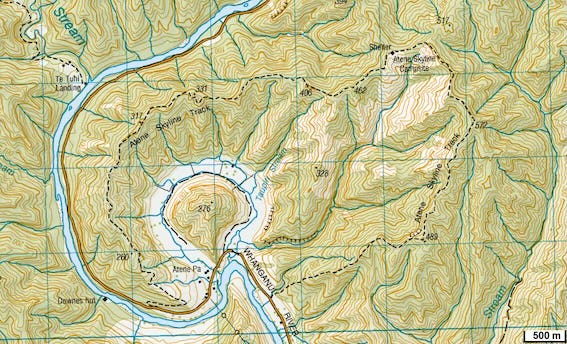
The map in photograph 3 documents an episode in the deep-time history of the river and shows how she is intimately entwined with the landscape. There was a time, thousands of years ago when the river formed a graceful and luxurious meandering bend around a hill. The conditions changed upstream which brought torrents of water so Whanganui created a new channel for the waters to make their way to the sea. This led to the creation of an oxbow lake seasonally cut off from main river-mother. In time the lake dried and started life together with streams, the new siblings, and they together generated a new ecosystem in friendship with the hill and the forests on it and the animals in the forest.
The kinship with the river-mother didn’t end. It continued on a seasonal basis. When it rained, the streams flowing from the hill filled the dry bed, which wasn’t really dry, because the sediments underneath had streams of so-called ‘blind’ or groundwater who had their own lives to live. The excess waters happily made their way around the hill and joined up with river-mother again.
This is how they live now.
The book has similar stories of waters, rivers and lakes from different lands with different peoples looking after them and being nurtured in return.
I am very grateful to Phil Day for designing the book.
For him the narrative of the poems is itself a large river. He created a design, including the type-setting, that reflects the river-ness of the poems.
The poems are set as a column on the right hand side of the recto page. The verso side is blank.
The poems and sequences of poems don’t carry titles. They all constitute streams of the main river called Lamentation(s). The book is asked to be read as a single composition. Poems belonging to one thematic or geographical sequence are separated by large spaces between them. Within each sequence the last line of each poem is centre-justified and doesn’t end with a full stop. A full stop closes the last line of the final poem of each sequence. The poems in each sequence are separated by a black dot.
There are no footnotes or endnotes. No glossary of words or names. It is hoped that readers will be able to grasp geographical locations from the text itself.
The narrative is structured through two human voices: one female and the other male. Waters (rivers, lakes, seas) make the third voice. They don’t speak but their words are reported and quoted by the narrators. The two narrators listen to the waters and talk with them. The waters respond in their own fluid, watery ways.
The fourth voice is that of language. The language speaks and wishes to be heard. All the poems are called prose poems. They become more poetic when they are read and heard aloud. At the end of this summary I have included audio-recordings of two poems from a sequence. I hope you have time to listen to them.
The language makes its presence legible through the names given to the rivers and lakes by the indigenous peoples of the area. These names are important. They house the deep-time stories of the water bodies.
The D’harawal word for Botany Bay is Gamay which means fresh water. I live in Little Bay which is a few kilometres north of Gamay. If we assume that the English translation of the word is correct, and I know it is, the question that whispers in my mind is simple: why a marine bay with salt oceanic water was/is called Gamay by the D’harawal. I explore the story in the essay ‘The Old Banksia in Our Garden’ in the book Spinoza’s Overcoat and other essays. My exploration leads me to the deep-time story of the bay and the rivers who flow in the rocks buried under the sediments of the bay.
Lamentations has a sequence of poems about the rivers who feed Gamay, the bay.
The book launch of Lamentations will be on Sunday 3 May 2026 at Gleebooks. I am very grateful to Oula Ghannoun, a scientist, writer, and poet for agreeing to join the conversation about the book and to help celebrate its arrival.
The details of the event can be accessed at the link on the home pages of Gleebooks and Gazebo Books.
To say that I am thankful to Life Before Man/Gazebo Books won’t be enough. Xavier Hennekinne and Phil Day have created a unique home for books that are of lesser interest to the main literary publishers in Australia. I admire their focus on publishing translated books.
The books designed by Phil Day have a special look and feel. Their aim is to let the poems speak for themselves.
Many thanks to Olivia Arcaro for proof-reading the book and for facilitating its arrival into the world.
Audio recording of poems from Lamentations
References
Mary Jane Walker, The Remarkable Dry River at Atene, Blog published on 23 October 23, 2020 ( https://www.a-maverick.com/blog/the-remarkable-dry-river-at-atene)